Trauma Release · Body-Based · One-to-one with Adam Palmer · Online
Release what your body has been holding - without years of therapy.
One-to-one somatic work with someone who’s lived it. Start with a free call - you’ll leave with a roadmap to heal, whether or not we work together.
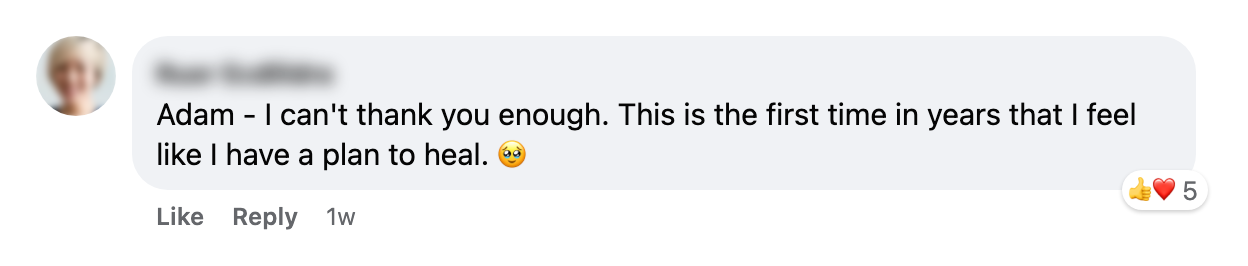
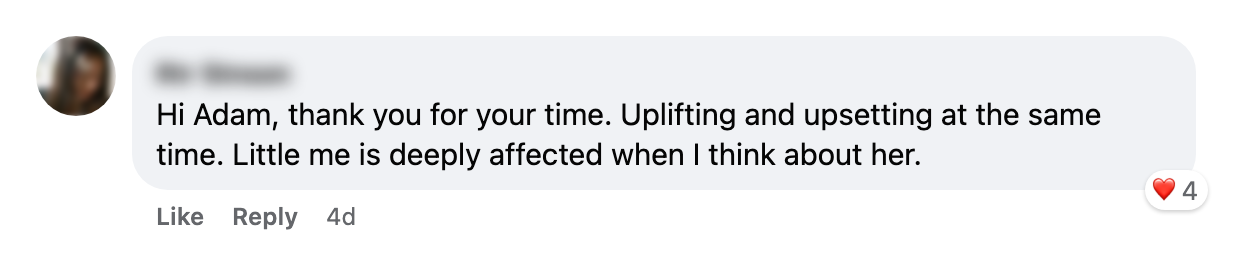
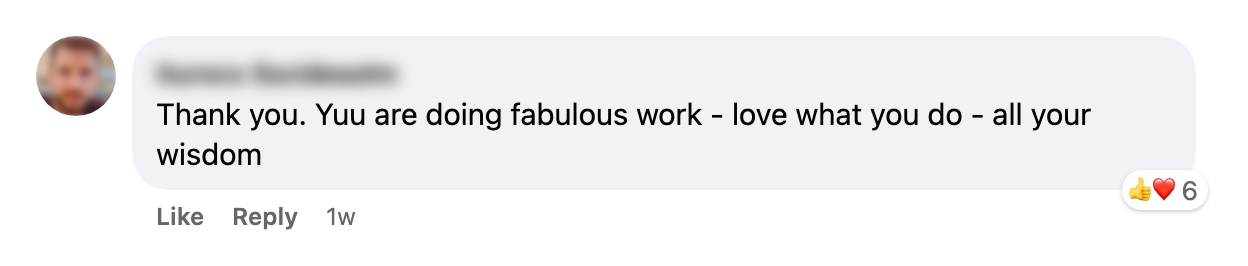
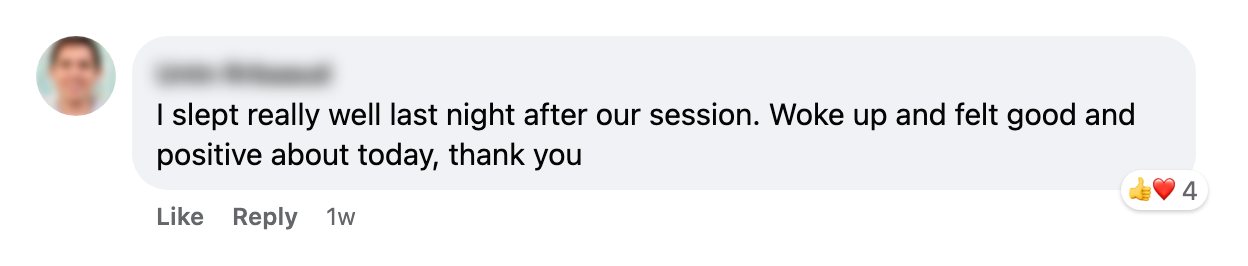
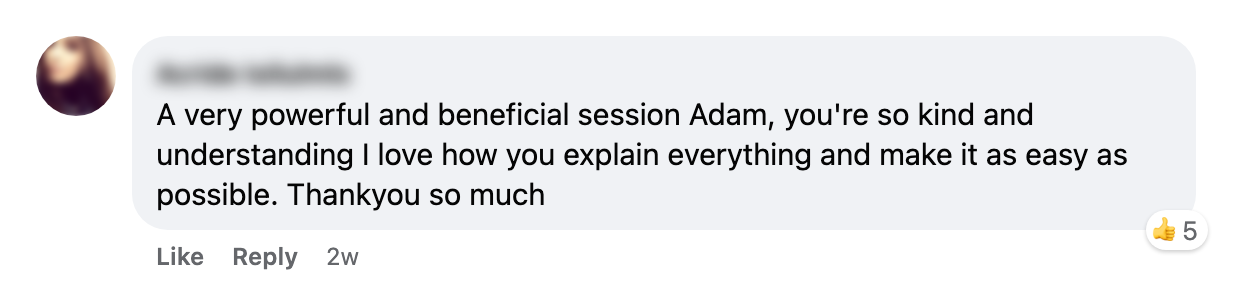
From the people I work with



You’ve done the understanding. The tension is still there.
You know your own story well by now. You’ve probably read the books - you could likely explain what happened to you better than most professionals could.
And your body didn’t get the memo.
- Still on guard from the moment you open your eyes.
- Body feels like it’s forgotten how to fully relax and switch off.
- Braced, all the time, for something that never quite arrives.
- The tension and rigidity in the shoulders, the jaw, the gut - tension that won’t release no matter how much you stretch or breathe or understand where it came from.
- Jumpy at nothing. Some days on edge; other days just numb, going through the motions.
- There but not quite there - watching your own life from a step behind.
- Feeling like there’s an invisible force holding you back.
- Stuck - not exactly in the past, but never quite free of it either.
You’re not imagining any of it, and you’re not broken. Your body remembers what your mind has forgotten. That’s not a flaw - it’s your body doing its job.
Why talking about it never quite reached it
Maybe you’ve done talk therapy - perhaps years of it. And maybe it genuinely helped: you understand yourself, you can tell the story without falling apart, you’ve joined the dots between then and now.
But you might have noticed the strange gap that comes after the insight: you can say all the right things about what happened - and your body carries on exactly as before.
That’s not a failure of your therapist, and it’s certainly not a failure of yours. Talking works on the part of you that thinks and speaks. The part that braces, tightens and stands guard doesn’t speak the language of thoughts and ideas - so the conversation, however insightful, never quite reaches it.
And why the exercises on YouTube didn’t stick either
So maybe you went looking for the body route yourself. The TRE videos. The shaking, the breathwork, the exercises before bed.
And maybe something happened - a tremble, a wave of feeling, one good night’s sleep afterwards. And then it didn’t hold. Or nothing happened at all, and you lay on the floor wondering if you were doing it wrong.
You weren’t doing it wrong. Your body will only put down what it’s been holding when it feels safe enough to, and for most people that doesn’t happen alone on a mat with a video playing. It happens with someone beside you - someone who can pace it, someone who’s been there before and knows the journey.
What your body has been doing all these years - and why it won’t just stand down
Whatever you lived through, your body did something remarkable at the time: it braced. It went on guard, or it went still and frozen, because that was the safest option available. That wasn’t a malfunction. It was protection - and it worked. You’re here.
So it kept the job. Years later it’s still scanning the room, still holding the muscles tense and ready, still keeping feelings at arm’s length in case they’re too much. That’s the tension that won’t release. That’s the sleep that doesn’t restore, the flinch at nothing, the numbness. Not signs of something wrong with you - the protection and safety program, still running.
And that program can’t be argued out of its job, and it can’t be forced out of it. It stands down the way it was built: through the body, a little at a time, when it’s shown - not told - that it’s finally safe to stop.
How this work actually goes - The Integration Process
The work is a six-step process - The Integration Process, built from everything that actually worked on my own journey back. It works on the subconscious and the nervous system directly.
Where we start.
We meet one-to-one over video. Together we find where your body is still holding on - and begin working with it directly in the very first session.
What each step does.
Step by step, the journey releases the tension and pressure that’s built up over the years, and teaches your body it’s safe to stand down - safe to actually rest. Some sessions include talking; the talking supports the body work, not the other way round.
What builds between sessions.
Your body carries the work on quietly between sessions. What releases stays released - each step builds on the last, and what your body learns, it keeps.
The story of how it started stays yours - if you want to tell me things you can, but nothing requires it.
I spent years trying to think my way out of mine
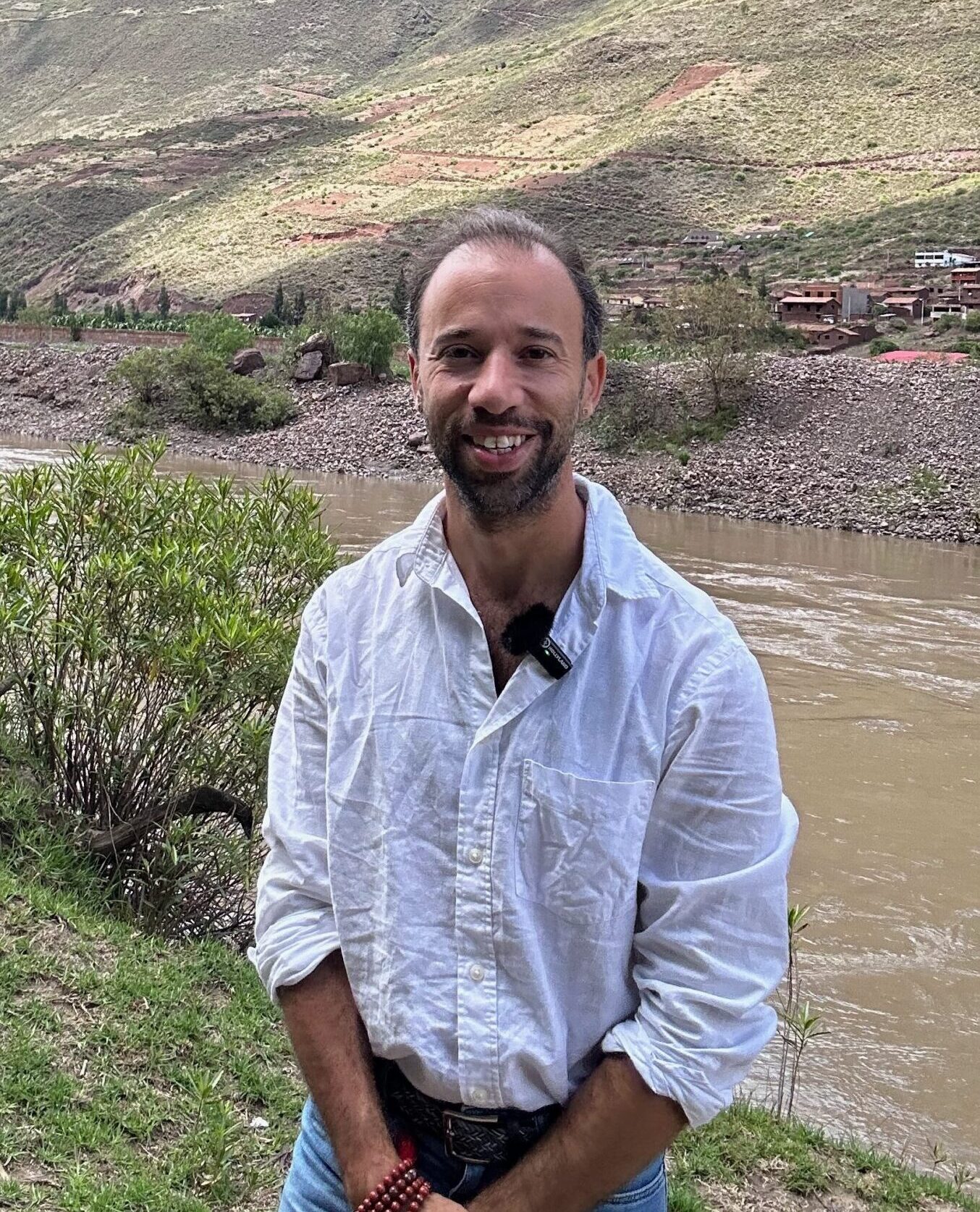
I was always the capable one - the one who could figure anything out. So when it came to my own struggles, I did what I’d always done: I researched, I analysed, I understood. In the end I could explain my own patterns perfectly.
And understanding changed nothing. The tension stayed. The being on guard stayed. I spent years trying to think my way out of something that wasn’t living in my thoughts.
The journey took me through talk therapy, acupuncture, every kind of practitioner I could find - and finally long-term travel through the mountains of Peru, trying to get to the bottom of what was wrong with me.
Along the way I trained in half a dozen disciplines - talking therapies, body-based work, hypnotherapy, therapeutic massage - because I wanted to understand what actually reaches the part of us that’s still holding on.
Then I took everything that had worked and built The Integration Process: a six-step healing journey that works on the subconscious and nervous system directly. Step by step it releases what’s been held, and shows the body that it’s safe to stand down. It’s one-to-one, online.
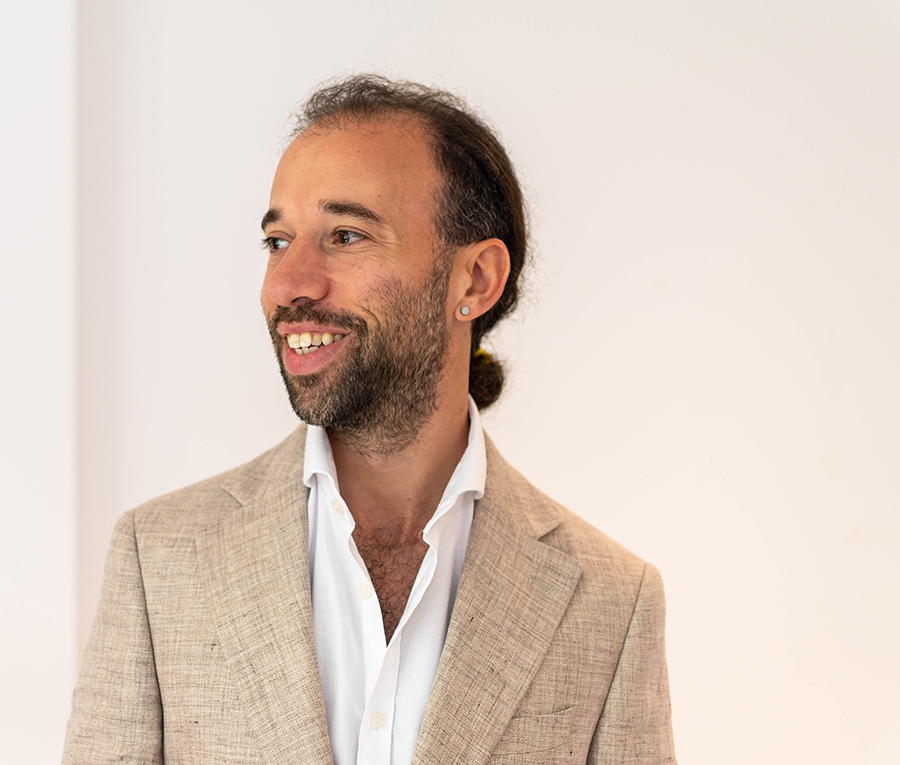
I won’t claim my story is your story. But when I sit with someone whose body won’t let go, I’m not working from theory. I’ve lived through it personally.
What tends to change first
There’s a familiar order to what people notice.
The body starts to release first. Shoulders that sit lower without being told to. A jaw you catch unclenched. The first night of sleep that actually does its job.
Then the world stops being quite so loud. A door slams and you stay in your skin. Things that used to trigger you just… don’t, as much. There’s more room between what happens and how hard it lands.
And then the more subtle changes. Patience coming back. The warmth and colour coming back again. Catching yourself smiling at nothing in particular.
Not a new you. The you that’s been in there the whole time, just with a lot less to carry.
The free call - what happens, and what you leave with
The first step is a free call. You talk, I listen.
You tell me as much or as little as you want - no story required, same as everywhere else in this work. By the end you’ll understand what your body has been doing all this time and why nothing so far has quite shifted it - and you’ll leave with a roadmap: the clearest path forward I can see for you, whether that involves me or not.
If I believe I can help, I’ll say so, and explain exactly how. If I’m not the right person, I’ll tell you that too - and point you toward someone who is.
No pressure, no obligation, nothing to prepare.
Your questions, answered
“I’ve spent years and a lot of money on this already. Why would one more thing be different?”
That’s a fair question, and I’d be asking it too. Most of what you’ve tried worked on understanding - and it worked; you understand plenty. This works on the part understanding never reached: what your body is doing right now. If years of insight haven’t shifted the tension, that isn’t evidence you’re beyond help. It’s evidence the work was happening in the wrong place.
“Is this therapy?”
No - this is practical subconscious and body-based work. Although I’ve trained in various talking therapies - this is not therapy. Some people even do this work alongside their therapist, and that combination often works well. This is also not crisis support: if you’re in crisis right now, please contact the Samaritans (UK) 116 123, free, any time. In the US, call or text 988.
“What does it cost?”
There are no prices on this page because I don’t sell one-size packages - what I’d recommend depends entirely on your situation. The call is free. On it, and only if it’s a fit, I’ll explain clearly what I’d suggest and what it costs. You’ll leave with your roadmap either way.
“Why should I trust you? Trusting people hasn’t gone well for me.”
You shouldn’t - not yet. If trust is the expensive part for you, I’m not going to ask for it up front. You don’t have to trust me yet - that’s what the call is for. It’s free, it’s under an hour, and you’ll learn more about whether I’m the right person from talking with me than from anything I could write here.
The whole page, in four lines
This is one-to-one, body-based work to release what your body has been holding - without years of therapy. It starts with a free call: you talk, I listen. The call costs nothing and commits you to nothing.
Even if we never speak again, you’ll leave the call understanding what your body has been doing all this time - with a clear roadmap to heal.
The only real cost is waiting. You’ve been braced for a long time - and this doesn’t tend to stand down on its own. It stands down when it’s shown how. That’s what the call is for.